Hiring an executive assistant is not just about finding someone to answer calls or manage a calendar. The real value lies in the hard skills for executive assistant roles, the technical abilities that keep projects on track, communication clear, and your practice organized.
For law firms, these skills often make the difference between being buried under tasks and having the freedom to focus on clients. Today’s executive assistants, especially those working virtually, contribute far more than basic admin support. They bring project management, software proficiency, scheduling, and problem-solving skills that help executives work at their best.
At Attorney Assistant, we know the strengths of an executive assistant extend beyond soft skills. That is why we have outlined the top executive assistant skills to look for, so you can feel confident about hiring the right support for your team.
What Is an Executive Assistant?
An executive assistant is someone who helps keep daily operations organized for busy professionals. They manage schedules, coordinate communication, prepare documents, and handle a wide range of tasks that free up time for higher priorities.
In law firms, the role often includes more specialized support. That can mean managing client calls, scheduling hearings, drafting case-related documents, tracking billing, and keeping files in order.
Today, much of this work can be done virtually. A virtual legal executive assistant offers the same strengths as an executive assistant but works remotely, using digital tools to stay connected. At Attorney Assistant, our team combines administrative assistant hard skills with the technical skills for executive assistant work to give attorneys reliable support without needing someone in the office.
What Are the Core Duties of an Executive Assistant?
An executive assistant keeps the wheels turning by handling the work that allows attorneys to stay focused on clients and case strategy. When the role is handled virtually, the same support is provided remotely with the help of digital tools. At Attorney Assistant, our virtual executive assistants balance legal-specific and administrative responsibilities, such as:
- Managing client intake and communication by answering inquiries, scheduling consultations, and keeping interactions organized.
- Preparing documents including contracts, pleadings, motions, and other drafts for attorney review.
- Supporting legal research by summarizing case law and creating drafts that save attorneys valuable time.
- Organizing calendars and case management by tracking hearings, deadlines, and meetings to ensure nothing gets overlooked.
- Handling billing and invoicing by recording time, preparing invoices, and maintaining payment records.
- Assisting with marketing by helping draft newsletters, updating blog posts, and boosting firm visibility tasks.
- Covering general administration through managing email, arranging travel, handling transcription, data entry, and file organization.
- Helping with trial preparation by assisting with presentations, gathering evidence, and ensuring attorneys are ready for court.
By taking on these responsibilities, a virtual executive assistant lightens the non-billable workload and gives attorneys more time to focus on client work.
Balancing Hard Skills and Soft Skills
To do the job well, an executive assistant needs both hard skills and soft skills. Hard skills are the teachable, technical abilities. These include knowing how to use case management software, drafting documents, or organizing billing records. These are the nuts and bolts that keep the work moving and can usually be learned through training or hands-on experience.
Soft skills focus on how someone works and interacts with others. Strong communication, problem-solving, time management, and flexibility all fall into this category. They shape how smoothly tasks get done and how well the assistant works with attorneys and clients.
In a law firm, both sets of skills carry weight. A virtual legal executive assistant needs the technical know-how to manage documents and schedules, but also the judgment, organization, and reliability to handle sensitive information and keep everything on track without constant direction.
15 Hard Skills Every Executive Assistant Should Have
An executive assistant is a key part of keeping a law office running. In a virtual setup, they handle the same responsibilities as an in-office assistant, but they do it from a remote location using digital tools. A strong assistant manages schedules, prepares documents, supports attorneys, and keeps clients informed. The following are the main hard skills an executive assistant should have and how each one helps a law firm run smoothly and stay organized.
1. Scheduling
Law offices have a lot to manage including court dates, client meetings, internal sessions, and filing deadlines that all need to fit together. An executive assistant keeps track of it. They put appointments on the calendar, confirm plans, send reminders, and change times when needed. They coordinate with paralegals, staff, and other lawyers to make sure schedules line up. They handle multiple attorneys at once, keeping track of calls, depositions, and meetings while watching deadlines.
Why it matters: Messy schedules can cause double bookings, rushed work, or waiting clients. An organized assistant keeps the office on track, helps attorneys focus on their work, and makes sure clients are taken care of.
2. Document Drafting
Law firms deal with a lot of paperwork. Client letters, contracts, motions, and memos all need to be clear and correct. An executive assistant takes instructions from the attorney and turns them into drafts that are ready to use. They make templates for documents that get used often, check for mistakes, format papers so they look right, and make sure the attorney can review them quickly.
Drafting also means adjusting documents for each case or client. That could mean changing parts of a contract, matching a letter to firm standards, or checking citations in a memo. Assistants keep track of different versions of documents, so it is easy to see what changed and when. They make sure everything that goes out is complete and professional before it reaches a client or another lawyer.
Impact: Typos, missing details, or sloppy formatting create extra work and make clients question the firm. An assistant who handles documents carefully saves time, reduces errors, keeps the firm looking capable and professional, and lets attorneys focus on the legal work without worrying about small details.
3. Legal Research Support
Attorneys need information for their cases, but they do not always have time to look up every law, past case, or rule themselves. An executive assistant collects what is needed, like case summaries, court rules, or news articles, and puts it in order so the attorney can start work knowing the key facts.
This work can include checking court rules, finding past decisions, gathering evidence, or pulling together background information. The assistant sorts it, so the attorney doesn’t waste time digging through papers or files.
What this accomplishes: Having this done ahead of time saves hours, keeps things on track, and reduces the risk of missing something important. Attorneys can walk into meetings or court with the information ready. Organized research keeps the office working efficiently and makes sure cases stay on schedule.
4. Billing and Invoicing
A law firm has to get paid for the work it does. An executive assistant keeps track of billable hours, makes invoices, and sends them on time. They check that payments come in and follow up if a client hasn’t paid. They also keep simple records, so attorneys know what has been billed and what has been paid.
The assistant also tracks expenses, notes any adjustments, and works with accounting or bookkeepers if the firm uses them. They make sure clients get clear invoices with the documents they need. This keeps the firm from losing money and takes the worry of payments off the attorneys.
How it helps: Mistakes or delays in billing could slow cash coming in and create extra work for attorneys. An assistant keeps records correct, payments on time, and lets attorneys focus on their cases. Clients also get clear invoices, which keeps the relationship simple and straightforward.
5. Client Intake
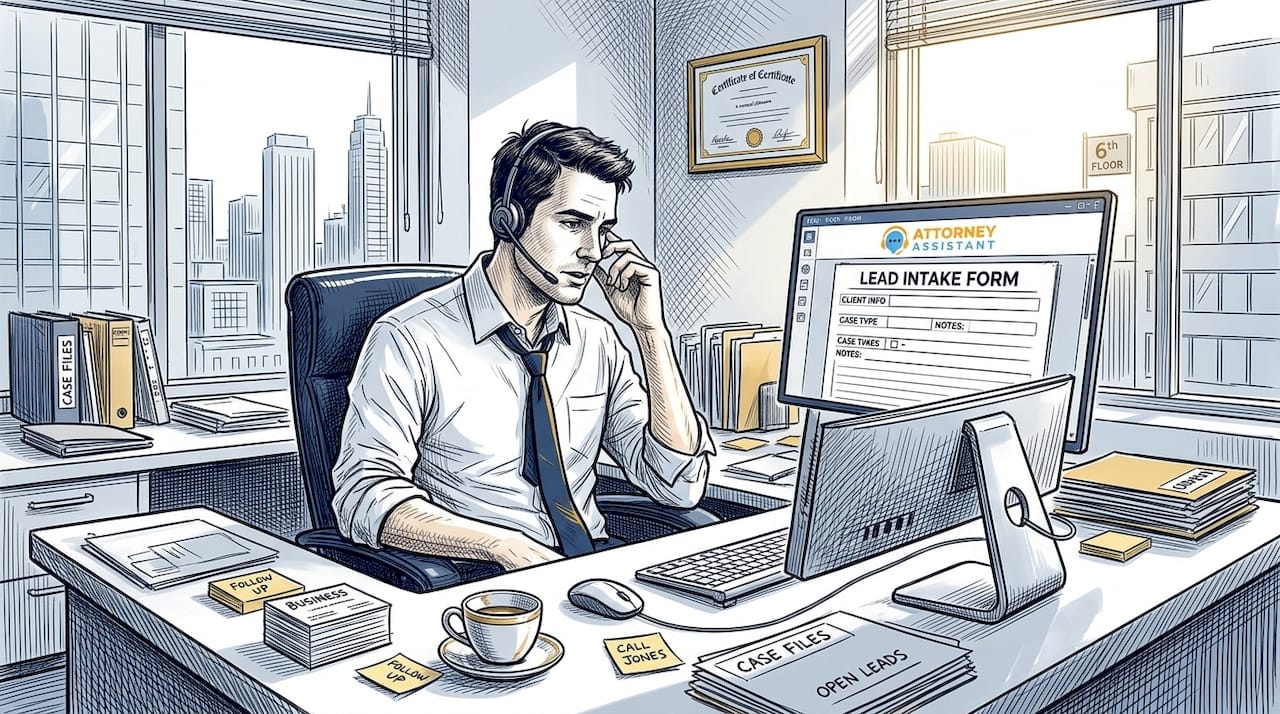
The first person a client talks to is usually the executive assistant. When someone reaches out, the assistant answers calls or emails, asks the right questions, and enters the details into the firm’s system. They schedule the first meeting and make sure the client feels listened to from the start. This also gives the attorney the information they need to plan next steps.
Intake goes beyond names and contact info. The assistant may take notes on the situation, spot urgent issues, and check for conflicts of interest. They might send forms or welcome materials before the meeting to make things easier for both the client and attorney.
How this helps: Slow or confusing intake can turn clients away. A clear and organized process keeps clients informed, builds trust, and gives attorneys the information they need without delays. It helps turn initial calls into real cases and avoids unnecessary back-and-forth.
6. Marketing Support
Attorneys spend most of their time on cases, but the firm still needs to stay visible to clients. Marketing does not have to be flashy. An executive assistant handles these tasks. They upload content, schedule posts, and check responses. A content calendar keeps marketing organized without taking time from attorneys.
The assistant prepares graphics, checks content and works with any outside help like designers or newsletter services. They keep track of client questions, so nothing gets missed. This keeps the firm professional while attorneys focus on their cases.
The benefit: Clients check online before contacting a firm. If the firm looks inactive or inconsistent, it may be overlooked. An assistant who manages marketing keeps the firm visible and professional while letting attorneys concentrate on their work.
7. General Administration
A law office has lots of small but important tasks. Emails need answering, meetings must be scheduled, travel plans arranged, and documents typed, scanned, or filed. Each task on its own may seem minor, but together they take up a lot of an attorney’s time. An executive assistant handles these jobs. They answer emails, book flights, confirm appointments, and make sure documents are stored correctly. They manage communications, keep calendars accurate, and take care of office logistics like ordering supplies or coordinating deliveries.
They also organize physical and digital files, track deadlines, and make sure documents are easy to find. They help colleagues with questions, assist with internal projects, and support other staff. Their work keeps the office running and prevents small issues from becoming big problems.
The payoff: With these tasks handled, attorneys can focus on legal work, court appearances, and client matters. The office stays organized, mistakes are less likely, and work gets done without unnecessary stress.
8. Trial Preparation
Attorneys need to be ready before going into court. Trials require a lot of planning. Exhibits must be labeled and organized. Evidence needs to be collected, witnesses contacted, and schedules lined up. Presentations must be accurate. An executive assistant handles these tasks. They make checklists, track deadlines, and make sure nothing is missing. They do not argue the case, but they make sure the attorney has what is needed to focus on the work at hand.
Preparation includes putting together binders, making copies for the court and opposing counsel, preparing evidence in paper or digital form, and checking arrangements for witnesses. It also includes working with paralegals or staff to confirm every detail is ready. The assistant may do a final check before the court to make sure all documents and evidence are in place.
The advantage: With these tasks taken care of, the attorney could focus on the case itself. Everything is organized, stress is lower, and the attorney goes into court prepared. This behind-the-scenes work helps the trial run smoothly and supports the attorney in representing the client well.
9. File and Data Management
Law offices handle a lot of paperwork. Client files, case notes, contracts, motions, and evidence pile up quickly. An executive assistant labels files, stores them where they belong, and makes sure they can be found when needed. They also keep records up to date and handle sensitive information carefully.
The assistant scans and backs up documents. They track case updates, communications, and research notes. They make sure files are complete and available to the right people. Older cases are put away in a way that makes them easy to access if necessary.
The result: Having files in order saves time, avoids missed deadlines, and keeps important information ready. It also protects client privacy and keeps the office organized.
10. Communication Management
Attorneys get a lot of calls, emails, and messages from clients, colleagues, and courts. Without help, things can get lost or ignored. An executive assistant handles these communications. They sort emails and calls, reply when needed, mark urgent items, and write messages clearly and professionally. They see to it nothing is missed, and every client or contact gets a response.
The assistant also follows up on requests, makes sure messages go to the right person, and keeps notes on ongoing conversations. They could prepare summaries for the attorney and keep records in order. This keeps the office consistent and professional.
What it does for the firm: Keeping communication organized saves time, avoids mistakes, and lets attorneys focus on their work while clients are properly informed.
11. Travel Coordination
Attorneys travel for depositions, hearings, client meetings, or conferences. Planning these trips includes more than booking flights and hotels. An executive assistant arranges transportation, lodging, and provides a clear schedule for the attorney.
The assistant prepares travel documents, coordinates with clients or witnesses, and makes sure meetings fit the schedule. They also track expenses, handle reimbursements, and plan for delays.
The outcome: Smooth travel keeps the attorney on time, lowers stress, and avoids last-minute problems. It lets the attorney focus on the work while the assistant takes care of the details.
12. Technology and Software Management
Law offices rely on different programs for cases, billing, document storage, and scheduling. An executive assistant makes sure these programs are set up correctly, keeps data accurate, and makes files easy to find. They handle small issues before they become bigger problems and make sure information gets to the right place.
They show new staff how to use the systems, update templates, and keep files in order across devices. They also watch for changes or updates that might affect how the office works.
Benefit to the firm: When software is organized and working right, attorneys spend less time dealing with tech problems and more time on the work that matters.
13. Meeting Preparation
Meetings work best when everyone is ready. An executive assistant makes that happen by creating agendas, gathering documents, and sending materials out ahead of time. They take care of scheduling, setting up calls, preparing presentation tools, and making sure participants have what they need.
They may reserve rooms, check equipment, print handouts, and follow up with participants for missing information. They can also compile notes, summarize past discussions, and provide reference materials to keep the meeting focused.
How it helps the firm: Well-prepared meetings save time and reduce confusion. Attorneys can focus on decisions and discussions instead of dealing with logistics, and everyone leaves knowing what needs to happen next.
14. Confidentiality Management
Law firms handle a lot of sensitive information, from client records to case plans and private messages. An executive assistant keeps that information safe. They lock up files, manage passwords, and handle communications carefully. Only the people who need to see confidential materials get access.
They also make sure physical and digital records are secure and handle private meetings or depositions without sharing unnecessary details. The assistant tracks access and prevents sensitive information from getting into the wrong hands.
Why this matters in practice: Keeping information secure protects client trust and the firm’s reputation. An assistant carefully manages confidential materials carefully and lets attorneys focus on their work without worrying about leaks or mistakes.
15. Deadline Tracking
Deadlines are a big deal in legal work. Missing a court filing or another important date can hurt a client. An executive assistant keeps track of all deadlines, sets reminders, and makes sure things are ready on time. They check in with attorneys and staff to make sure tasks get done and nothing is forgotten.
This includes keeping an eye on court schedules, filing rules, and internal due dates. Assistants use calendars, checklists, or simple tracking systems to show what is due and when. They follow up with attorneys or paralegals as needed to keep work on track.
Benefit to the firm: Managing deadlines carefully protects cases and clients. It lets attorneys work without worrying about missing a date or important step.
Top Soft Skills for Executive Assistants
Being an executive assistant is more than getting tasks done. It means working well with attorneys, staff, and clients, staying steady when things get busy, and keeping the office organized. Important soft skills include:
- Good listener. Pays attention to instructions and details so nothing slips through the cracks
- Clear communicator. Shares information politely and accurately in person, on the phone, or by email
- Dependable. Completes work on time, keeps commitments, and can be trusted to handle tasks on their own
- Flexible. Adjusts smoothly when priorities or schedules change
- Calm under pressure. Keeps cool in hectic situations and helps the office stay steady
- Problem solver. Figures out practical solutions for unexpected challenges and asks for guidance when needed
- Patient. Handles clients, last-minute changes, or complex tasks without losing composure
- Friendly and professional. Builds positive relationships while keeping interactions respectful
- Observant. Notices what is happening in the office and responds thoughtfully
- Team player. Works with colleagues, supports the office, and keeps things moving
These skills let an executive assistant keep the office organized, support the team, and make clients feel respected and well taken care of.
Hire a Team with Hard Skills for Executive Assistant
Attorney Assistant provides virtual legal executive assistants who bring the hard skills for executive assistant work that law offices need every day. This includes administrative assistant hard skills like managing calendars, preparing case documents, keeping accurate records, and handling filings on time. Technical skills for executive assistant tasks, such as research, data management, and reporting, are part of their day-to-day responsibilities. These strengths of an executive assistant help attorneys focus on cases while knowing the details are taken care of.
Our assistants have proven executive assistant skills and are trained to step in quickly, stay organized, and handle shifting priorities. With the right combination of experience and skill, they manage office tasks reliably, letting attorneys focus on clients and strategy without worrying about administrative work.
Reach out to Attorney Assistant today to find a virtual legal executive assistant who fits your office and keeps your operations on track.
Frequently Asked Questions
Q1. What are 5 hard skills and soft skills?
Q2. What are the three important skills of an executive assistant?
Q3. What are the hard skills of an assistant manager?

How Much Revenue Are You Leaving on the Table?
See how much missed revenue poor intake is costing your firm every month.
You're currently missing out on an estimated
$0 / month
That's 0 leads slipping through the cracks every month.
Related Articles
Boost client intake: top communication strategies for law firms
Learn how PI law firms can boost client intake conversions with faster response times, multi-channel follow-up, and empathy-driven intake scripts.

Law firm engagement: convert more leads in 2026
Learn how PI law firms can improve engagement, reduce missed leads, and convert more clients with faster intake and empathetic follow-up strategies.

Law firm lead management: convert more clients in 2026
Learn how personal injury law firms can improve lead management, speed up intake, and convert more leads into signed cases with proven, practical strategies.