10 Insurance Software Companies Worth Comparing

The popular advice is to pick the insurance platform with the longest feature list and worry about the workflow later. That's backward. The best insurance software companies are the ones that match the operating problem you have, whether that's core policy administration, claims handling, agency management, broker growth, or a modern API layer your team can live with without needing a small army of consultants.
Carrier and MGA buyers need different tools than agencies and brokers. Carriers usually care about policy, billing, claims, reporting, and the painful business of making legacy systems behave. Agencies and brokers care more about rating, quoting, client service, carrier connectivity, and whether staff can keep up with the work on Monday morning.
That's also why law firms end up in the same conversation. Insurance matters create records work, intake pressure, follow-up gaps, and administrative drag. Software can organize the work, but it won't rescue a broken handoff or an empty inbox. If your firm needs dedicated legal support around those workflows, Attorney Assistant handles the operational side with Staffline for ongoing support and Frontline for 24/7 live intake, which is often the part people forget until the phone stops ringing.
Table of Contents
- 1. Guidewire Software
- 2. Duck Creek Technologies
- 3. Majesco
- 4. Insurity
- 5. Sapiens
- 6. Applied Systems
- 7. Vertafore
- 8. Zywave
- 9. BriteCore
- 10. Socotra
- Top 10 Insurance Software Comparison
- Choose the Workflow, Not Just the Vendor
1. Guidewire Software
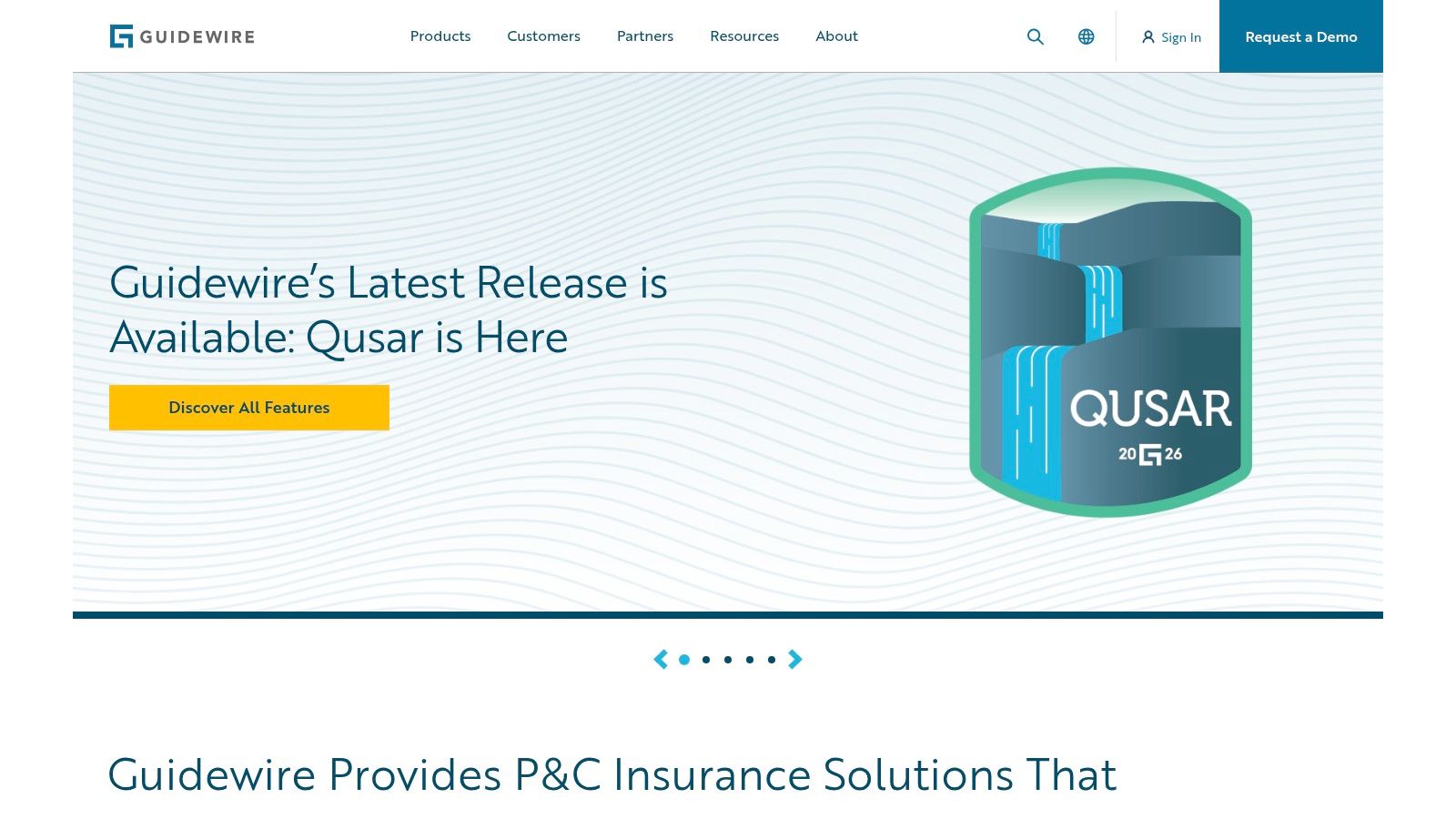
Guidewire is the heavyweight option for P&C carriers that want a deep core platform and can tolerate a real implementation. Its InsuranceSuite covers policy, billing, and claims, while the broader cloud stack adds analytics, digital tools, and pricing support. That makes it a serious fit for large insurers that care about control, extensibility, and an ecosystem that can handle almost anything, eventually.
Where Guidewire wins
The platform is strongest when the business has complex, regulated lines and wants one operating spine for the whole policy lifecycle. The cloud model gives teams a cleaner upgrade path than old on-prem setups, and the marketplace reduces how much custom build work has to happen from scratch.
Practical rule: buy Guidewire when you need a real enterprise core, not when you need a nice demo of enterprise ambition.
The trade-off is implementation pain. Greenfield rollouts are rarely quick, and heavy customization can pull in specialized skills. Guidewire's product page is the right place to validate the current packaging, but the broad decision is simple, it's a platform for carriers that want depth and can staff the project properly.
For firms comparing workflow platforms, this case management guide is a useful reminder that software only helps when somebody owns the process around it. Guidewire is no different. If your team does not have disciplined owners for policy, claims, and data governance, the platform will happily become an expensive mirror.
2. Duck Creek Technologies
Duck Creek is the better fit for carriers and MGAs that want configure-over-code without giving up core depth. Its SaaS-first stack covers policy, billing, claims, rating, reinsurance, and portals, which is exactly what you want when the business needs flexibility but does not want every change to become a development project. It also scales well for volatile demand, which matters when the work spikes and everybody suddenly remembers what “operational resilience” means.
Why Duck Creek earns a look
The platform's low-code orientation is the main reason buyers shortlist it. Teams can model more of the business in configuration instead of turning every workflow tweak into a custom engineering task, and that usually shortens the distance between business need and working software.
It is a cleaner option than old-school monoliths for organizations that want cloud delivery and less manual infrastructure management. The downside is obvious. Enterprise modules can stretch timelines, and smaller programs may find the footprint heavier than they need.
Here's the practical take. If you are a carrier or MGA with enough volume to justify a serious core system, Duck Creek is a strong contender. If you are still figuring out your operating model, the platform will not solve that for you, it will just make the confusion more visible.
3. Majesco
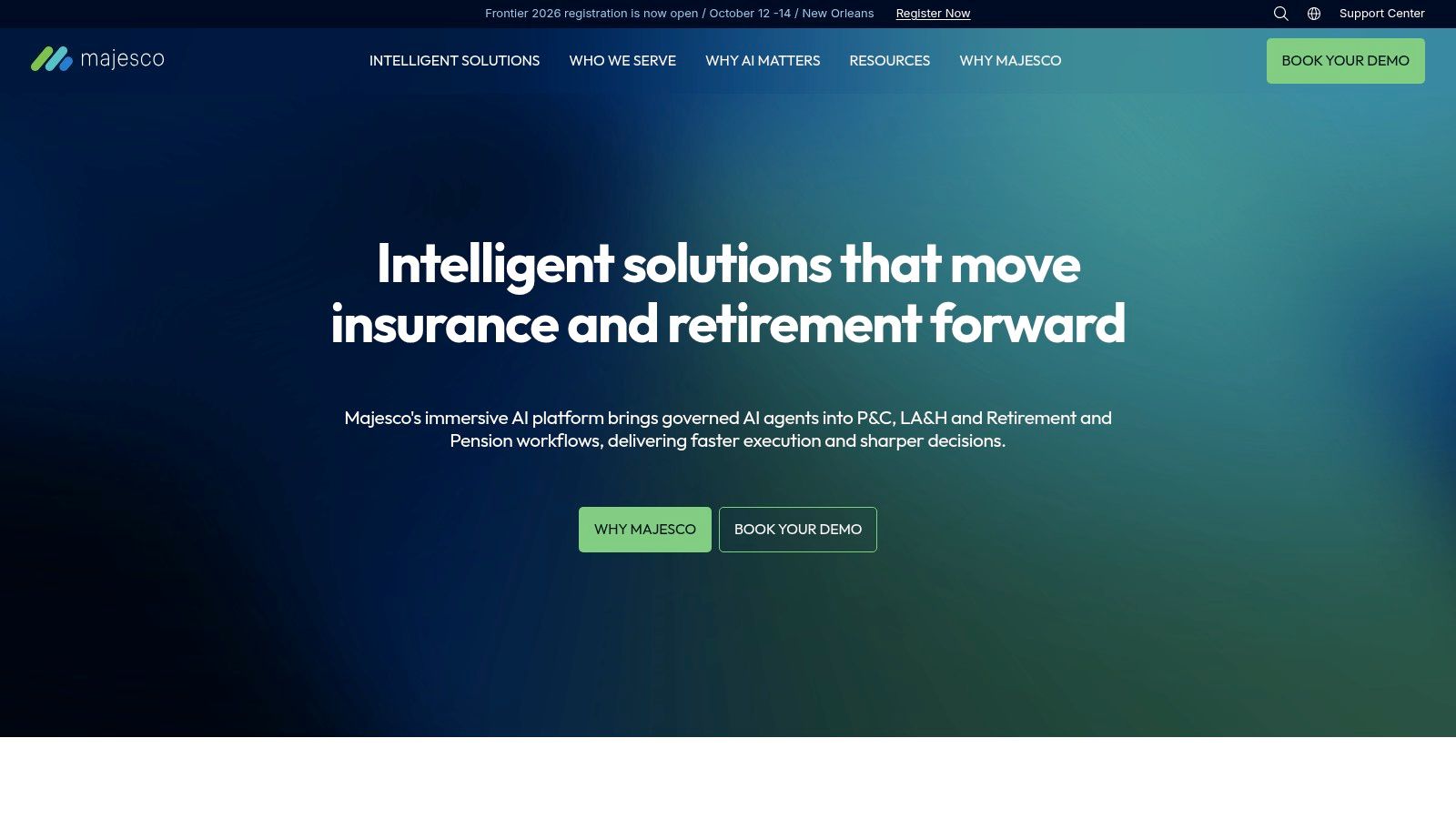
Majesco suits insurers operating across several lines that want a modern core without stitching together multiple vendors. Its portfolio covers P&C and Life & Annuities, with embedded GenAI, enterprise rating, portals, and analytics. The appeal is operational breadth: one vendor can support more of the insurance stack instead of forcing teams into endless ownership meetings.
Why buyers shortlist Majesco
Majesco works best when modernization must connect policy, rating, portals, and analytics rather than create another isolated system. That shared environment can reduce duplicate handling and clarify where records belong, but it does not remove implementation ownership. Someone still has to define intake, follow-up, permissions, and escalation rules.
For a law firm handling insurance matters, the same lesson applies to claims workflows. Software can organize records and support handoffs, while staff still need disciplined routines for collecting documents, chasing outstanding information, and keeping case status accurate. Administrative capacity remains a people-and-process issue, not a feature checkbox.
The AI features deserve scrutiny, not applause on arrival. In regulated work, human controls, clean data, and a named owner are needed when an automated output sends a process sideways. Good software speeds decisions, but it does not make bad operating habits less expensive.
Majesco's strength is breadth, and breadth creates change-management work. Choose it when the organization can own a coordinated rollout across product lines. Smaller teams or firms seeking a narrow workflow tool may be better served elsewhere.
4. Insurity
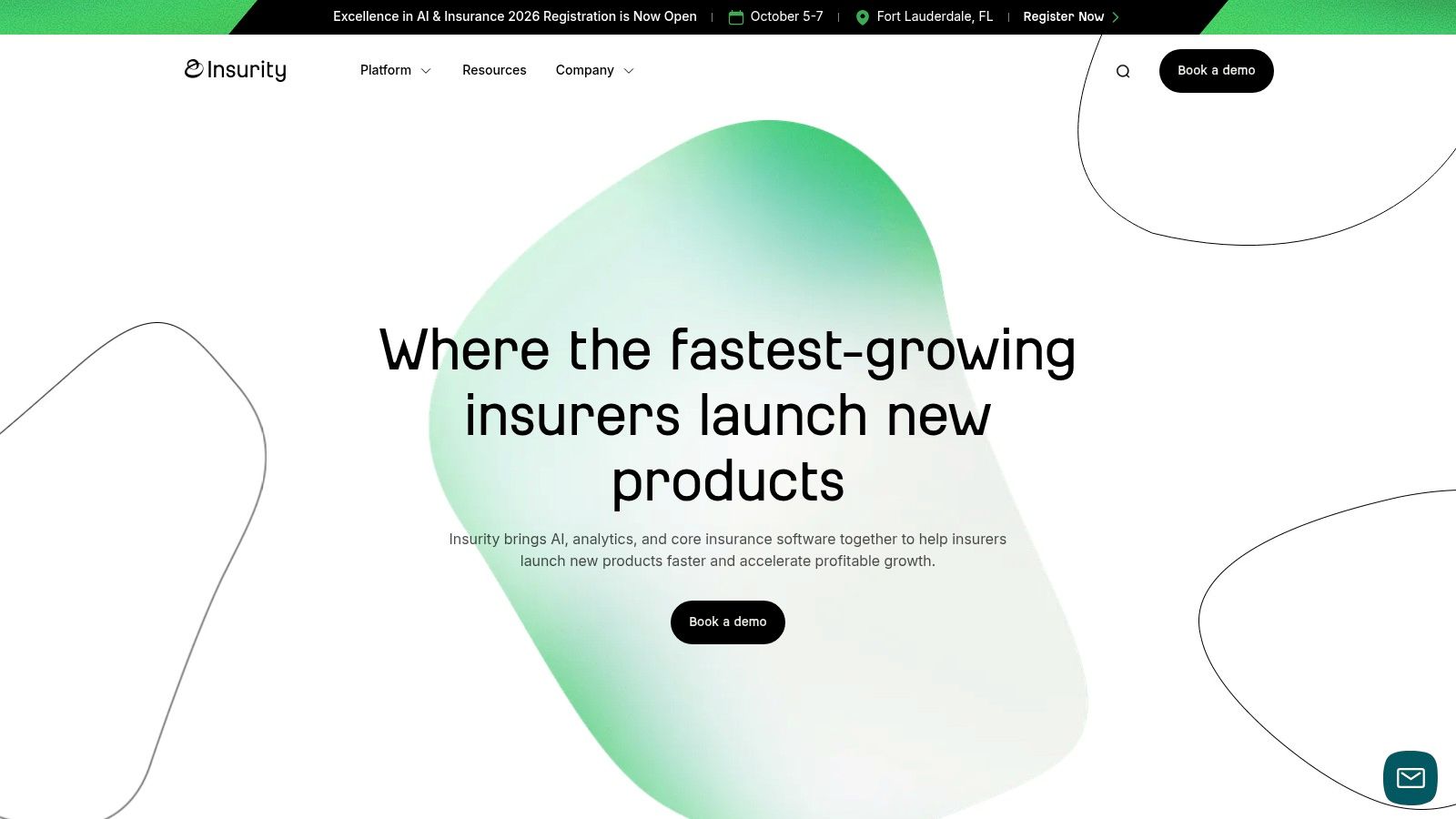
Insurity is a practical choice for carriers, MGAs, and brokers that care about policy, billing, claims, and analytics without overbuying an enterprise monument. Its cloud-based approach and regulatory content make it appealing for specialty and commercial lines teams that want speed to launch and fewer surprises when compliance requirements shift. In insurance software, fewer surprises is a legitimate product feature.
Where Insurity is a smart fit
The platform's appeal is its operational usefulness. Embedded analytics and regulatory intelligence live closer to the workflow, so teams are less likely to treat reporting and compliance as a separate chore that happens after the actual work.
That said, broad product portfolios can create overlap if your company already owns pieces of the stack. Migrations from legacy PAS environments also need careful data planning, because “we'll clean it up later” is how insurers end up with very expensive historical clutter.
If your team wants a mid-market or specialty-focused core with enough modern cloud structure to avoid constant maintenance drama, Insurity deserves a close look. If your tech stack is already crowded, be honest about whether you want a platform or just another purchase order.
5. Sapiens
Sapiens is for insurers that want a modular vendor with real depth across P&C and Life & Annuities. It can be used end-to-end or selectively, which is useful when the organization is modernizing in stages instead of trying to replace everything before lunch. That phased approach matters because most insurers don't have the luxury of rebuilding the house while customers are still walking through it.
Why Sapiens stands out
The platform's modularity is the practical story. Teams can adopt policy, billing, claims, distribution, or data components without forcing a giant all-at-once conversion, and that reduces the usual implementation panic.
It also gives larger organizations a single vendor across lines, which can simplify governance. The downside is that enterprise breadth can be more than some MGAs need. If you only want a narrow operational solution, Sapiens may look a bit like bringing a forklift to move one filing cabinet.
The original industry timeline is useful context here, because the category did not start as a sleek cloud product market. It grew from decades of modernization work that turned insurer administration into a true software industry, which is why modern buyers keep running into the same old problem in new clothes, integration. Sapiens is a solid option when you want a platform that can grow with the business rather than force another rip-and-replace in three years.
6. Applied Systems
Applied Systems is one of the clearest choices for agencies that need an agency management system rather than a carrier core. Applied Epic serves mid-to-large agencies, while EZLynx is the more accessible entry point for smaller shops. Both focus on the day-to-day realities of client data, policy tracking, rating, documents, accounting, and carrier connectivity, which is where agency work lives.
The agency operator's viewpoint
If you run an independent agency, you do not need the software equivalent of a submarine. You need a system your team can use all day without creating a second job for itself. Applied is strong because it treats servicing, quoting, billing, and reporting as operational work, not as marketing theater.
The scale choice matters. EZLynx can get a smaller agency moving, and Epic gives larger firms more depth once the operation justifies it. The trade-off is that Epic can feel enterprise-heavy, and migrations from older systems are never as easy as sales decks suggest. That's why ownership matters as much as software, because somebody has to clean up the data, retrain the users, and explain why the old spreadsheet is no longer a source of truth.
Applied is a strong fit when the agency needs structure, reporting, and carrier connectivity more than it needs a grand reinvention.
7. Vertafore
Vertafore suits agencies, carriers, and MGAs that need a broad toolkit rather than one monolithic system. Its portfolio includes AMS360 for mid-sized and larger agencies, QQCatalyst for smaller agencies, PL Rating for comparative rating, InsurLink for self-service, and Sircon for licensing and compliance. That range lets buyers match the platform to the operation instead of forcing every team into the same product.

Where Vertafore earns its place
Vertafore's advantage is breadth combined with familiarity across insurance operations. An agency can start with the product that fits its size and add related capabilities as its book grows. That approach works when implementation ownership is clear and the team has a firm view of which system owns client records, intake, follow-up, documents, and compliance work.
The risk is portfolio sprawl. More products create more licenses, decisions, logins, and handoffs. Interface quality also varies, so buyers should test the specific product rather than rely on the family name. A system can support claims administration and records management, but it cannot compensate for weak follow-up or insufficient administrative capacity. Law firms assessing related workflow tools should compare ownership and handoffs in this law firm tool matrix.
Vertafore belongs on the shortlist for organizations that value carrier connectivity and a broad operating toolkit. Buyers seeking one consistent interface should expect more diligence. If five modules exist and nobody knows which one owns the work, that is not a software strategy. It is a future support ticket. The right question is whether the agency needs one product or a stack it can govern as the book grows.
8. Zywave
Zywave is not a carrier core and it does not pretend to be. It is built for brokers and agencies that care about growth, quoting, content, analytics, and client engagement, which means it usually sits alongside an AMS rather than replacing one. That makes it a useful layer for firms that already have operations software but need help turning prospecting and renewal work into something less chaotic.
Where Zywave fits best
The platform's value is commercial, not foundational. BrokerageBuilder, commercial lines CPQ, miEdge prospect data, websites, and client tools all support the front end of the brokerage business. If the problem is winning and servicing more business efficiently, Zywave can help fill the gap.
Its strongest use case is speeding up quoting and renewal workflows while giving producers better data to work with. The caution is simple. If your organization already has strong martech or sales tools, some overlap is inevitable, and overlap tends to be where budgets go to nap.
For agencies and brokers that need better pipeline execution, Zywave is a sensible layer. For organizations looking for a system of record, it is the wrong category.
9. BriteCore
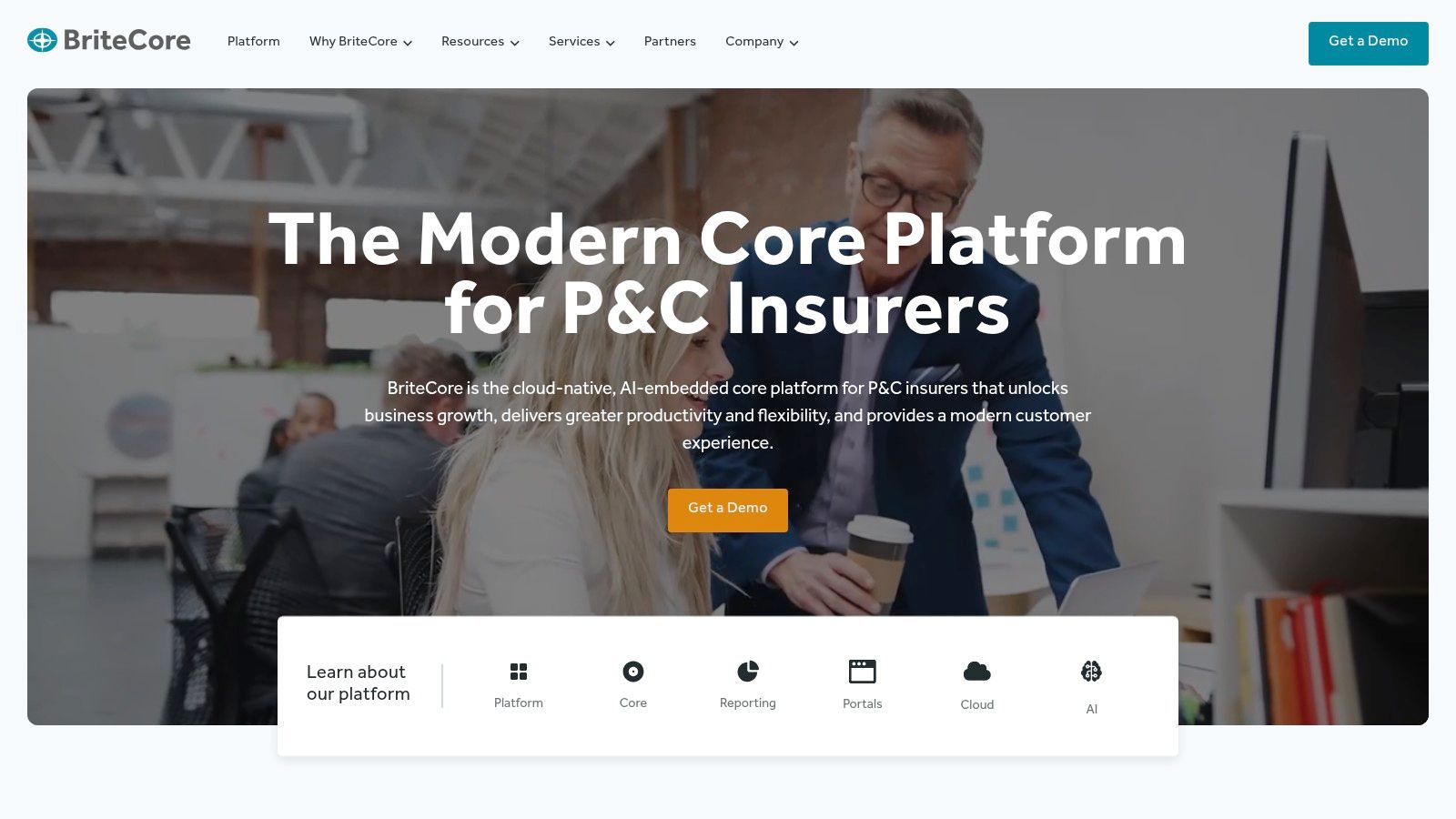
BriteCore is the modern core option for carriers, mutuals, and MGAs that want an API-driven architecture without signing up for a legacy monster. It covers policy, billing, claims, and reporting, with a cloud-native model that is easier to integrate and extend than the older enterprise stacks. That makes it especially attractive to teams that know their business will keep changing and don't want to replatform every time they add a new partner.
The developer-friendly angle
BriteCore's APIs and integration posture are the main selling point. If your organization wants to connect other tools, automate more of the workflow, and avoid hard-coded dead ends, the platform gives technical teams more room to work.
That said, modern does not mean effortless. Migrations still need time and a real data strategy, and the ecosystem is smaller than the giant enterprise vendors. Buyers should treat that realistically, because "lightweight" is not the same thing as "low effort."
If you are a mutual or program/MGA model that values flexibility and clean architecture, BriteCore is worth serious evaluation. If your organization depends on a massive partner network, the smaller ecosystem deserves scrutiny.
10. Socotra
Socotra is the most unapologetically modern option on this list. It is an API-first core platform with unified policy, billing, claims, and reporting, plus strong documentation, CI/CD support, and a plugin framework. That makes it a smart fit for digital carriers and MGAs that want to launch products quickly and keep engineering close to the business instead of hiding it in a separate basement.
Why Socotra appeals to modern teams
The platform's biggest strength is developer experience. Fully documented APIs and a configuration model make it easier for internal teams and system integrators to build without constantly asking the vendor for permission to do basic work.
That speed comes with responsibility. Socotra expects more product and engineering ownership than many legacy platforms, so it rewards teams that know what they're doing and punishes those that don't. That is not a flaw, it is the trade-off for flexibility.
For organizations that value speed, extensibility, and cleaner technical control, Socotra is one of the most compelling options in the category. For teams that want a vendor to think for them, it will feel demanding, which is sometimes another way of saying honest.
The same operational lesson shows up in law firms too. A slick system helps, but legal admin automation examples for law firms in 2026 only work when someone owns the follow-through. Insurance software has the same problem, just with more compliance forms and fewer mercy options.
Top 10 Insurance Software Comparison
| Vendor | Core Capability | UX & Quality (★) | Value / Pricing (💰) | Target Audience (👥) | Unique Strength (✨/🏆) |
|---|---|---|---|---|---|
| Guidewire Software | End-to-end P&C core (Policy/Billing/Claims) + analytics on Guidewire Cloud | ★★★★★ | 💰💰💰 Enterprise pricing; modular adoption | 👥 Large carriers, complex MGAs | ✨ Mature ecosystem & upgrade cadence; prebuilt integrations 🏆 |
| Duck Creek Technologies | SaaS "Intelligent Core" with low‑code config, portals, elastic scaling | ★★★★ | 💰💰 Enterprise-focused; scales for high volume/CAT | 👥 Carriers, high‑volume MGAs | ✨ Configure-over-code + automated cloud ops 🏆 |
| Majesco | P&C + L&A core suite with embedded GenAI, enterprise rating & portals | ★★★★ | 💰💰 Enterprise / multi‑line value; content accelerators | 👥 Multi‑line carriers, benefits & group insurers | ✨ Embedded GenAI (Copilot) and cross‑line breadth |
| Insurity | Cloud PAS with embedded analytics & regulatory content for specialty lines | ★★★★ | 💰💰 Mid‑market to specialty; compliance emphasis | 👥 Mid‑market carriers, specialty writers | ✨ Regulatory intelligence tied to core operations |
| Sapiens | SaaS‑first modular platforms across P&C and L&A; low‑code options | ★★★★ | 💰💰 Modular pricing for phased modernization | 👥 Multi‑line insurers, phased modernizers | ✨ Single vendor for P&C + L&A; modular adoption |
| Applied Systems (Epic / EZLynx) | Agency/broker management, rating, accounting, carrier connectivity | ★★★★ | 💰💰💰 Epic = enterprise; EZLynx = SMB entry path | 👥 Independent agencies & brokers (SMB → mid/large) | ✨ Market‑leading AMS adoption & mature workflows 🏆 |
| Vertafore | Multiple AMS products, comparative rater, portals, compliance tools | ★★★★ | 💰💰 Broad lineup; module-based licensing | 👥 Agencies, carriers, MGAs | ✨ Deep carrier connectivity and long market tenure |
| Zywave | Broker growth stack: CPQ, content, analytics, prospect data (miEdge) | ★★★ | 💰💰 Mid‑priced; complements an AMS | 👥 Brokers/agencies focused on sales & renewals | ✨ CPQ + prospect data to accelerate new business |
| BriteCore | Cloud‑native, API‑driven core (policy, billing, claims) with integrations | ★★★★ | 💰💰 Lighter alternative to enterprise suites; developer‑friendly | 👥 MGAs, mutuals, program carriers | ✨ Modern APIs and continuous cloud updates |
| Socotra | API‑first core with rapid product config, CI/CD, docs and plugin framework | ★★★★ | 💰💰 Developer‑centric pricing; needs in‑house product ownership | 👥 Digital carriers, tech‑led MGAs | ✨ Exceptional developer experience & rapid launch tools 🏆 |
Choose the Workflow, Not Just the Vendor
The right buying process starts with the organization type, not the logo. A carrier, MGA, agency, and broker all have different operating problems, so the first question is whether you need core policy, billing, claims, quoting, distribution, or reporting. If that part is fuzzy, every demo will sound convincing and none of them will be useful.
Then map the actual workflow. Identify which systems hold source-of-truth data, where integrations are required, what migration constraints exist, and who owns each handoff. A platform that looks elegant in a demo can turn messy the moment it meets actual claims data, old documents, or a five-step approval process somebody swore was temporary in 2019.
After that, test configuration, implementation ownership, support model, and total operating effort. Do not score vendors on vision decks. Score them on a real servicing or claims scenario, because that is where the seams show up. If a system needs heroic internal effort just to do normal work, it's not modern, it's just expensive in a nicer outfit.
For law firms, there's a final question that insurance buyers often ask too late. Who owns the intake, follow-up, records, file organization, and administrative handoffs after the software is installed? If nobody owns that work, the platform won't fix it. It will just document the problem more efficiently.
That's where Attorney Assistant can be useful. Staffline gives firms dedicated legal support for ongoing operational work, and Frontline provides 24/7 live intake when the bottleneck is workforce capacity, not software selection. If your firm is losing leads, burying attorneys in administration, or letting records and support work pile up, take a hard look at where the actual breakdown is happening before you buy another tool.
If your insurance or legal operation is stuck between too much work and not enough ownership, Attorney Assistant can help you sort the human part of the problem. Visit Attorney Assistant to see how dedicated legal support and 24/7 intake fit around the systems you already use.
Related Articles

Case Management App for Law Firms in 2026: How to Choose
Compare case management app options for law firms on intake, documents, calendaring, security and pricing, with a checklist to pick the right fit.

Call Answering Service for Law Firms: What Actually Works
A call answering service for law firms should sign cases, not take messages. Learn pricing models, vendor criteria, and 24/7 intake that converts.

Case Management Notes: A Law Firm's How-To Guide
Learn how to write case management notes that hold up, with a defensible structure, privilege safeguards, handoff tips, and a smarter way to staff the work.