Legal intake tips to boost case conversion in 2026

TL;DR:
- Many PI firms struggle with lead retention due to poor intake processes.
- Implementing AI-hybrid models increases conversions and provides 24/7 coverage.
- Treating intake as a profit-driven system rather than a cost center boosts revenue significantly.
Most personal injury law firms don’t have a lead generation problem. They have a lead retention problem. Poor intake processes can leak $80,000 or more per month in lost cases at mid-sized PI firms, simply from missed follow-ups and slow response times. Your intake process is the first real conversation a potential client has with your firm, and it sets the tone for everything that follows. This article walks you through the foundational criteria for strong intake, a breakdown of AI-hybrid models, actionable tips your team can use today, and a clear comparison of your main options so you can make confident decisions.
Table of Contents
- Establish clear criteria for effective legal intake
- Leverage AI-hybrid intake models for maximum conversions
- Proven intake tips to capture and qualify every lead
- Compare traditional, AI-hybrid, and 100% human intake methods
- Our take: Why thinking of intake as admin is costing you cases
- Take your legal intake to the next level with Attorney Assistant
- Frequently asked questions
Key Takeaways
| Point | Details |
|---|---|
| Intake drives revenue | Treating intake as a business driver, not just admin, prevents costly case leaks and boosts profits. |
| AI-human hybrid prevails | Hybrid models improve PI intake conversions and save admin hours while preserving empathy and ethics. |
| Quick, empathetic follow-up | Responding to leads fast, especially after-hours, can capture clients others lose. |
| Regularly audit intake | Quarterly reviews of your the intake process help identify leaks before they impact revenue. |
| Choose the right tech | Select intake tools or methods that match your firm’s size, workflow, and values for best results. |
Establish clear criteria for effective legal intake
Before you change anything about your intake process, you need to understand what “effective” actually means in a PI context. Intake is not a checkbox. It is a revenue-generating function that either captures or loses the cases you worked hard to attract.
A high-performing intake process has five core qualities:
- Responsiveness: Leads contacted within five minutes of inquiry convert at dramatically higher rates than those reached an hour later.
- Empathy: PI clients are often in physical pain, financial stress, or emotional distress. Your intake team must sound human and compassionate, not robotic.
- Compliance: Every intake touchpoint must align with state bar rules around confidentiality and attorney-client privilege.
- Qualification: Not every caller is a viable case. Your intake process should screen efficiently so attorneys spend time only on strong leads.
- Workflow integration: Intake data should flow directly into your case management system, not sit in email inboxes or sticky notes.
The firms that struggle most with conversion tend to share the same failure points: no one answered after hours, a promising lead sat in a queue for 48 hours, or follow-up calls were inconsistent. These are not just operational annoyances. They are revenue leaks.
AI-hybrid intake models directly address after-hours gaps and reduce admin hours while improving conversions. But you cannot layer new tools on top of a broken foundation. Start by auditing your current intake against these five criteria and identifying your biggest gaps.
If you are not sure where to start, reviewing client intake best practices gives you a structured framework for comparison. You can also benchmark your existing process against effective intake processes used by firms that consistently outperform their peers on conversion.
Pro Tip: Pull your intake data every quarter and look at three numbers: response time, contact rate, and qualification rate. If any of those are trending the wrong way, you have found your leak.
Leverage AI-hybrid intake models for maximum conversions
Once your criteria are clear, the next question is: what system actually delivers on all five? AI-hybrid intake is the model that consistently outperforms both traditional human-only and fully automated approaches for PI firms.
Here is how it works. An AI layer handles the initial contact and triage, collecting basic information about the incident, injuries, and timeline. When the call or form reveals emotional complexity, a potential high-value case, or a compliance-sensitive situation, a human agent steps in to continue the intake. This split is intentional. AI is fast and available at 3 a.m. Humans bring judgment and empathy that no chatbot can replicate.
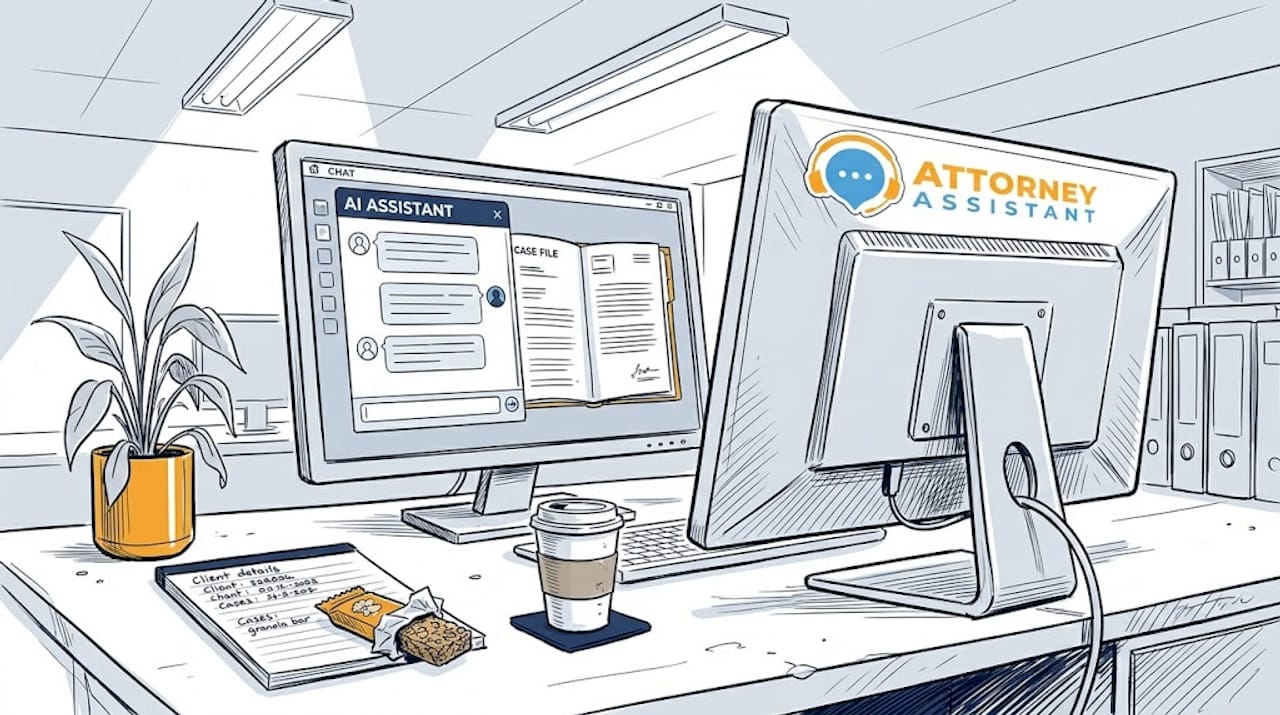
The numbers behind this approach are compelling. According to recent ABA research, AI-hybrid intake has boosted conversions from 8% to 29%, saved over 1,300 admin hours per year, and addressed the fact that 41% of firms currently miss after-hours calls entirely.
| Metric | Before AI-hybrid | After AI-hybrid |
|---|---|---|
| Conversion rate | 8% | 29% |
| After-hours coverage | Minimal | 24/7 |
| Admin hours saved (yearly) | Baseline | 1,300+ hours |
| Missed after-hours calls | 41% of firms | Near zero |
The ABA’s Opinion 512 is clear on the ethical dimension here:
“AI without empathy risks losing PI clients. Hybrid models win when human oversight is maintained for emotionally complex and ethically sensitive intake situations.”
To implement this practically, start by setting your AI to handle triage for standard inquiries. Program clear escalation triggers so the system alerts a human when a caller mentions significant injuries, emotional distress, or questions about legal rights. Review call and chat logs weekly to catch quality issues before they become conversion losses. You can explore detailed AI legal intake results from firms that have already made this shift, and learn more about AI for law firms to understand the broader strategic picture.
Proven intake tips to capture and qualify every lead
You do not need to overhaul everything at once. These seven tips are deployable regardless of your current system, and each one directly addresses a common PI firm conversion leak.
- Respond within five minutes. Research consistently shows that speed of response is the single biggest predictor of whether a lead converts. Set an internal rule: no lead waits longer than five minutes during business hours.
- Use an empathy-first script. Open every intake call by acknowledging the caller’s situation before asking procedural questions. Something simple like “I’m so sorry you’re going through this, let me make sure we get you the right help” immediately builds trust.
- Cover after-hours with automation or an answering service. Missing after-hours calls costs PI firms 28 to 35% of their total leads. That is not a rounding error. It is a structural problem that demands a structural fix.
- Automate your follow-up sequence. Every intake contact that does not immediately sign should enter an automated follow-up track: text, email, and a personal call within 24 hours. Log every touchpoint.
- Ask qualifying questions early. Use a short triage list: When did the incident occur? Were you treated by a doctor? Was a police report filed? Was anyone else at fault? These four questions filter out unviable cases in under two minutes.
- Track your intake funnel. If you cannot measure it, you cannot fix it. Log every inquiry, contact attempt, and outcome so you can spot patterns and close gaps.
- Integrate intake with your case management system. Manual data entry is a leak point. Every form or call should auto-populate into your CRM or case management platform.
You can find tools and templates to support these steps through boost PI case conversions, explore client intake communication strategies tailored for law firms, and review intake form examples that have improved conversion rates for similar practices.
Pro Tip: Automate a “we received your inquiry” message within 60 seconds of any inbound contact. Even if a human cannot call back immediately, this message reduces lead drop-off significantly because it signals responsiveness.
Compare traditional, AI-hybrid, and 100% human intake methods
Choosing an intake model is not a one-size-fits-all decision. Your budget, volume, and staff capacity all shape which approach makes sense right now. Here is a direct comparison to help you evaluate.
| Factor | Traditional (staff only) | AI-hybrid | 100% AI |
|---|---|---|---|
| Cost | High (salaries) | Moderate | Low |
| Conversion rate | Moderate | Highest | Variable |
| After-hours coverage | Limited | Full | Full |
| Empathy level | High | High (with oversight) | Low |
| Admin time required | High | Low | Very low |
| Compliance risk | Low | Low (with oversight) | High |
| Client satisfaction | High | High | Mixed |
Each model has real trade-offs:
- Traditional intake delivers genuine empathy and human judgment, but it comes with scheduling gaps, salary overhead, and inconsistency across staff.
- AI-hybrid intake captures the speed and coverage of automation while maintaining the human oversight that emotional PI clients need. It scales better than pure human intake and avoids the ethical pitfalls of pure AI.
- 100% AI intake is cost-efficient and always available, but it lacks the nuanced judgment needed for complex or emotionally charged PI cases.
As the ABA has noted, pure AI lacks the empathy vital for emotional PI callers, and the hybrid model wins when human oversight is preserved for ethics-sensitive and complex intake situations, consistent with ABA Opinion 512.
“Technology accelerates intake, but it cannot replace the moment when a grieving client needs a real voice on the line.”
For small PI firms just starting to scale, the hybrid model offers the best ROI. You capture after-hours leads, reduce admin time, and maintain the empathy that drives client trust. Larger firms may lean fully hybrid with dedicated intake specialists in the human oversight role. Read more about the benefits of intake specialists and how they fit into a modern intake operation.
Our take: Why thinking of intake as admin is costing you cases
Here is the uncomfortable truth: most PI firms treat intake like a cost center. They minimize it, automate it carelessly, or delegate it to whoever has time. And then they wonder why conversion rates are flat despite a healthy ad spend.
After auditing intake operations across dozens of PI firms, one pattern stands out. The firms generating the most revenue per lead are not necessarily spending more on marketing. They are spending smarter on intake. They have trained intake specialists, clear escalation protocols, and systems that make every follow-up automatic.
Poor intake processes leak $80,000 or more per month at mid-sized PI firms. That is not a typo. It is the compounded result of missed calls, slow responses, and unqualified cases slipping through. Fixing intake is not an operational upgrade. It is a revenue decision.
Even small improvements compound fast. A 10% better follow-up rate, an after-hours chatbot that captures two extra leads per week, an empathy script that reduces hang-ups: these changes add up to tens of thousands of dollars per year. Reframe intake in your practice as a profit-generating investment and your entire growth strategy shifts.
Take your legal intake to the next level with Attorney Assistant
If any part of this article made you think “we have that problem,” then you already know what needs to change. The gap between knowing and doing is exactly where Attorney Assistant operates.
We help PI firms respond faster, follow up consistently, and convert more leads into signed cases without adding headcount or chaos. Whether you need a full intake overhaul or just want to close specific gaps, explore our intake solutions built specifically for personal injury practices. Check out our free law firm tools to get started today, or learn how our lead follow-up service stops the revenue leaks that are costing your firm cases every single week.
Frequently asked questions
What is the most common mistake in legal intake for PI law firms?
The biggest mistake is missing or slowly responding to leads, especially after hours. 28 to 35% of PI leads are lost simply because no one was available to answer when a potential client called.
How does an AI-hybrid intake process improve case conversion?
AI captures and qualifies leads instantly while trained human agents provide empathy and judgment, and this combination has been shown to boost conversion rates from 8% to 29%.
Why is empathy so important in legal intake for PI clients?
PI clients are often in pain, scared, and overwhelmed, so empathy is the fastest way to build trust and keep them on the line. Empathy in intake also meets ethical standards the ABA has outlined in Opinion 512.
How can intake impact my law firm’s bottom line?
Firms with weak intake systems can lose $80,000 or more every month from missed leads and poor follow-up, making intake one of the highest-leverage investments a PI firm can make.
Recommended
- Boost case conversion: Legal intake trends shaping 2026 | Attorney Assistant
- Optimize law firm intake and convert 80% more leads | Attorney Assistant
- Legal assistants in PI intake: boost conversions fast | Attorney Assistant
- Master legal intake to boost PI case conversions by 40% | Attorney Assistant
Related Articles
Macs for Lawyers: The Hardware and Compatibility Guide
A practical guide to Macs for lawyers covering hardware choices, software compatibility, security tradeoffs, and recommendations by firm size and workflow.

Business Telephone Answering Service for Law Firms
How a business telephone answering service works for law firms, including 24/7 intake, qualification, warm transfers, pricing models, and what

Call Flow Customer Service for Law Firms: A Practical Guide
Design a call flow customer service system for your law firm that captures leads, qualifies matters, and signs cases. Practical guide